


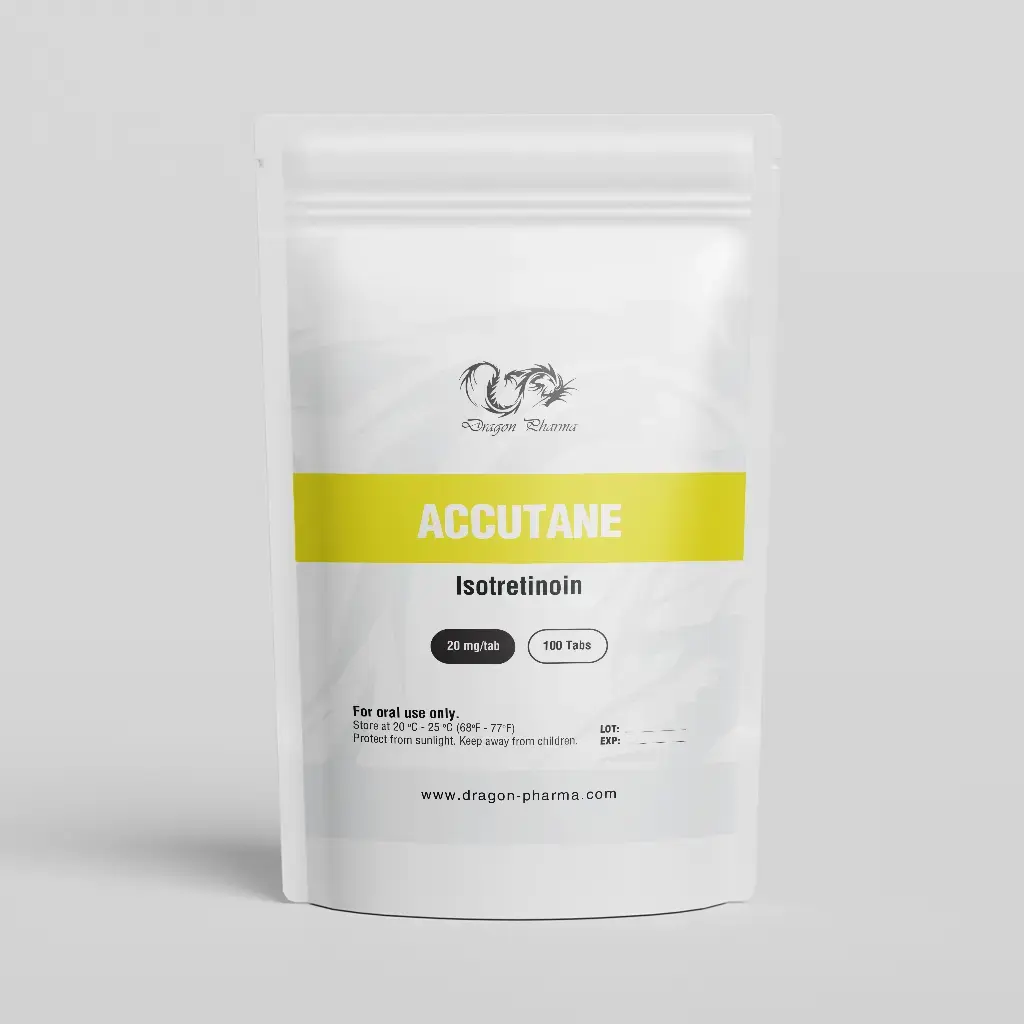
Fabricator: Dragon Pharma, Europe
Unit: x1 100 tabs
Strength: 20 mg/tab
If your order hasn’t arrived within 35 days after shipping, we’ll resend it for free.
Dragon Pharma Accutane delivers 20 mg of Isotretinoin per tablet. This retinoid compound is widely regarded as the most effective systemic therapy for severe, treatment-resistant acne vulgaris.
For athletes experiencing androgen-induced sebaceous hyperactivity, this agent targets the underlying pathophysiology. It dramatically reduces sebum output, normalizes follicular keratinization, and suppresses cutaneous inflammation.
Isotretinoin is a synthetic derivative of vitamin A belonging to the retinoid class. It modulates epidermal cell proliferation, differentiation, and apoptosis through nuclear receptor-mediated gene expression.
The compound addresses all four pillars of acne pathogenesis. It shrinks sebaceous glands, prevents microcomedone formation, reduces Cutibacterium acnes colonization, and exerts direct anti-inflammatory activity.
Unlike topical or antibiotic therapies that require indefinite maintenance, a single structured course frequently produces durable remission. Clinical literature indicates approximately 85% of patients achieve long-term clearance after one protocol.
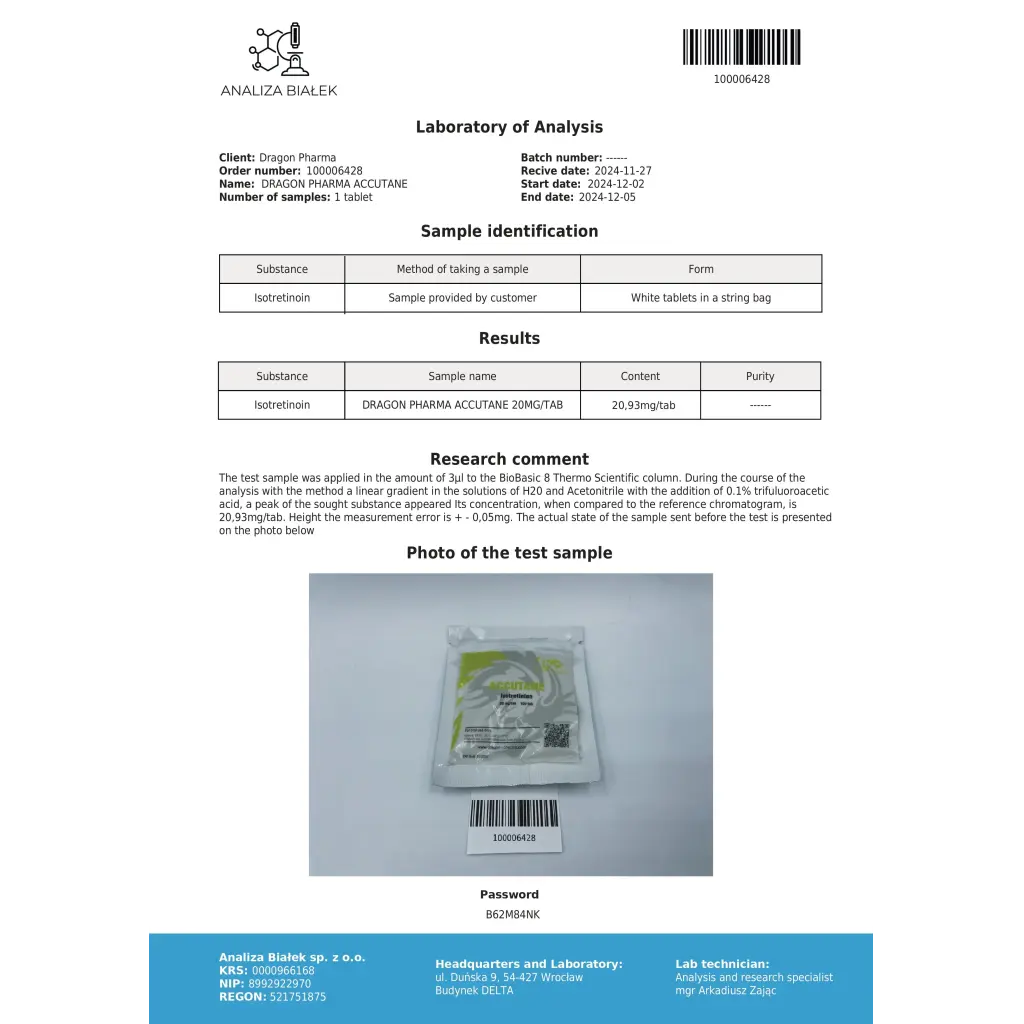
Dragon Pharma manufactures each tablet with pharmaceutical precision. Independent laboratory analysis confirmed 20.93 mg of active Isotretinoin per unit. This accuracy supports precise cumulative dosing calculations and predictable therapeutic outcomes.
Each tablet contains 20 mg of Isotretinoin as the active pharmaceutical ingredient.
Inactive excipients include microcrystalline cellulose, pregelatinized starch, magnesium stearate, and film-coating agents. These ensure tablet stability, dissolution consistency, and protection from oxidative degradation.
All raw materials undergo identity and purity validation prior to formulation and compression.
Ingest tablets with a meal containing at least 15–20 grams of dietary fat. Lipid co-administration increases bioavailability by approximately 60% compared to fasted administration.
Divide the daily total into two administrations—morning and evening—to maintain stable plasma concentrations and reduce gastrointestinal irritation.
Store the container in a cool, dry environment between 15–25°C (59–77°F). Protect from light and moisture. Keep the desiccant pouch intact.
Standard therapy is calculated at 0.5–1.0 mg per kilogram of body weight daily. A 91 kg individual would target 45–90 mg per day, divided into two doses.
Low-dose protocols utilize 10–20 mg daily. This approach reduces mucocutaneous side effects while still delivering significant therapeutic benefit, particularly for maintenance or moderate presentations.
The cumulative treatment target is 120–150 mg per kilogram of total body weight. For a 91 kg individual, this equals 10,920–13,650 mg over the entire course.
A standard protocol lasts 15–20 weeks. After completion, a break period allows for assessment of remission status before considering any additional course.
Mucocutaneous dryness is nearly universal. Users experience chapped lips, xerosis, dry nasal mucosa, and ocular irritation. These are expected pharmacological effects reflecting sebaceous suppression.
Hepatic enzyme elevations may occur. Regular liver function panels every 4–6 weeks are mandatory throughout the treatment period.
Lipid abnormalities are common. Triglyceride and cholesterol elevations affect approximately 25% of patients. Dietary modification and lipid monitoring are essential.
Musculoskeletal complaints including myalgia, arthralgia, and back discomfort may emerge. Athletes engaged in intense resistance training should monitor for tendon and joint symptoms.
Psychiatric effects including mood alterations and depressive symptoms have been reported. While causality remains debated, users and supervisors should remain vigilant for behavioral changes.
Visual disturbances such as impaired night vision and dry eye syndrome may affect contact lens tolerance. Ophthalmologic evaluation is warranted if symptoms persist.
This product is intended exclusively for research purposes and use by qualified adults under appropriate medical supervision. It is absolutely contraindicated in pregnancy.
Isotretinoin is a potent teratogen. Women of childbearing potential must use two forms of effective contraception for one month before, during, and for one month following therapy.
Avoid all hepatotoxic substances including alcohol and oral anabolic steroids during treatment. Concurrent hepatotoxicity significantly amplifies hepatic risk.
Regular monitoring of liver enzymes, fasting lipids, and complete blood counts is mandatory. Discontinue immediately and seek medical evaluation if jaundice, severe abdominal pain, or visual disturbances develop.
Do not donate blood during therapy and for one month after cessation. Transfusion recipients could receive the teratogenic agent.
Maintain adequate hydration and joint support supplementation during the active phase. Topical emollients and lip balms mitigate mucocutaneous dryness.
Please log in to write Accutane 20mg review.
Fabricator: Intas Pharmaceuticals Ltd.
Unit: x1 50 caps
Strength: 30 mg/caps
If your order hasn’t arrived within 35 days after shipping, we’ll resend it for free.
Fabricator: Intas Pharmaceuticals Ltd.
Unit: x1 10 caps
Strength: 20 mg/cap
If your order hasn’t arrived within 35 days after shipping, we’ll resend it for free.
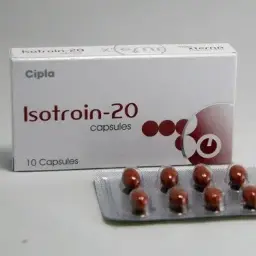
Fabricator: Cipla, India
Unit: x1 10 caps
Strength: 20 mg/cap
If your order hasn’t arrived within 35 days after shipping, we’ll resend it for free.
Fabricator: Generic
Unit: x1 100 tabs
Strength: 20 mg/tab
If your order hasn’t arrived within 35 days after shipping, we’ll resend it for free.
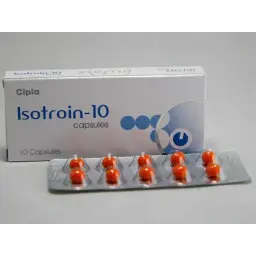
Fabricator: Cipla, India
Unit: x1 10 caps
Strength: 10 mg/caps
If your order hasn’t arrived within 35 days after shipping, we’ll resend it for free.
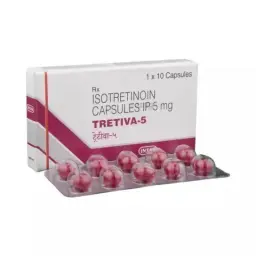
Fabricator: Intas Pharmaceuticals Ltd.
Unit: x1 50 caps
Strength: 5 mg/caps
If your order hasn’t arrived within 35 days after shipping, we’ll resend it for free.
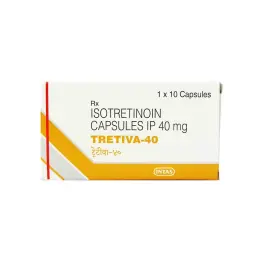
Fabricator: Intas Pharmaceuticals Ltd.
Unit: x1 50 caps
Strength: 40 mg/caps
If your order hasn’t arrived within 35 days after shipping, we’ll resend it for free.
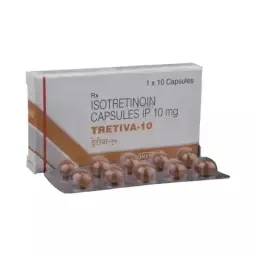
Fabricator: Intas Pharmaceuticals Ltd.
Unit: x1 50 caps
Strength: 10 mg/caps
If your order hasn’t arrived within 35 days after shipping, we’ll resend it for free.
Many users notice reduced oiliness within the first 2–4 weeks.
Significant lesion clearance typically manifests by weeks 8–12, with continued improvement through the remainder of the course.
Concurrent use is possible but requires heightened vigilance. Both agents can stress hepatic enzymes and lipid profiles.
Low-dose Isotretinoin at 10–20 mg daily often controls steroid-induced acne while minimizing additional systemic burden.
Approximately 85% of patients achieve long-term remission following a single complete course.
Relapse is more common when the cumulative dose falls below the 120 mg per kilogram threshold or when treatment duration is truncated.
Isotretinoin is highly lipophilic. Absorption increases by up to 60% when co-administered with dietary fats.
Taking the tablet with a meal containing nuts, avocado, eggs, or fish oil maximizes therapeutic plasma concentrations.
It is contraindicated during pregnancy due to severe teratogenicity. Female users must maintain strict contraception before, during, and for one month after therapy.
Women should consult a qualified physician and complete pregnancy testing prior to initiation.